
The Link Between Screen Time and Dry Eye Symptoms - and What You Can Do
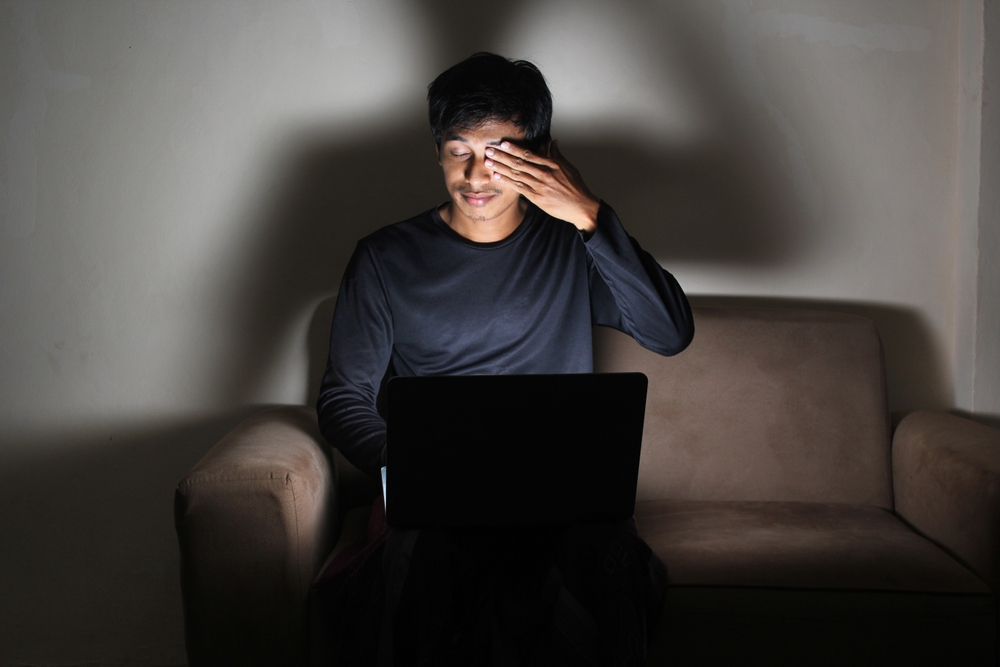
In today’s digital world, screens are a constant part of work, school, and entertainment. As a result, more people are experiencing uncomfortable dry eye symptoms - often without realizing that prolonged device use plays a major role. Understanding how screen time affects your eyes can empower you to protect your comfort, vision, and long-term eye health.
Reduced Blink Rate
When you're focused on a screen, your natural blink rate can drop by nearly half. Blinking is essential because it spreads tears evenly across the surface of your eyes. Without frequent blinking, your tears evaporate faster - leading to dryness, burning, and irritation.
Increased Tear Film Evaporation
Digital screens often encourage a wider-eyed posture, which exposes more of the ocular surface. Combined with reduced blinking, this causes the tear film to break down more quickly, resulting in discomfort and blurry vision over time.
Poor Indoor Air Quality Around Screens
Most people use screens indoors, where air conditioning, heaters, and ceiling fans can dry out the air. These environmental factors worsen symptoms for those already susceptible to dry eye.
Blue Light Exposure
Blue light doesn’t directly cause dry eye, but it can increase eye strain, fatigue, and irritation—making existing dry eye symptoms feel more intense.
Common Symptoms of Dry Eye from Screen Use
You may be experiencing digitally induced dry eye if you notice:
• Burning or stinging
• Redness
• Blurred vision, especially after long screen sessions
• Watery eyes
• Sensitivity to light
• A gritty, sandy sensation
If these symptoms sound familiar, a comprehensive eye exam in Hutto can help determine whether dry eye, digital eye strain, or another condition is the cause.
How to Reduce Dry Eye Symptoms from Screen Time
Following the 20-20-20 rule is an easy way to reduce strain on your eyes during long periods of screen use. Every 20 minutes, look at something 20 feet away for 20 seconds. This simple habit gives your eyes a chance to relax and encourages more frequent blinking, which helps maintain moisture on the eye’s surface.
It’s also important to adjust your workstation to create a more comfortable visual environment. Position your screen slightly below eye level, make sure your lighting reduces glare, and keep your monitor at least an arm’s length away. These small adjustments can greatly improve posture and decrease unnecessary strain on your eyes.
Staying hydrated and using a humidifier can support your eye comfort as well. Proper moisture in both your body and environment helps maintain healthy tear quality. For many people, using over-the-counter artificial tears can offer temporary relief from dryness, but persistent symptoms should be evaluated by an eye care professional to determine whether additional treatment is needed.
Lastly, build regular screen breaks into your routine. Giving your eyes frequent rest not only reduces digital eye strain but also helps regulate your natural blinking pattern, which is essential for keeping your eyes lubricated and comfortable throughout the day.
When to See an Optometrist
If dry eye symptoms become frequent, painful, or begin affecting your work or daily activities, it’s time to schedule an appointment. Chronic dry eye can worsen over time if left untreated - early management makes a significant difference. We offer personalized dry eye treatment in Hutto tailored to your symptoms, tear film health, and daily habits. Advanced diagnostic tools and in-office therapies can provide long-term relief.
Ready to Get Lasting Relief from Dry Eye Symptoms?
As screen time continues to rise, dry eye symptoms are becoming increasingly common. But you don’t have to live with discomfort. By understanding the causes and taking steps to protect your vision - combined with personalized care from our trusted optometrist in Hutto, TX - you can keep your eyes comfortable and healthy every day.
Schedule your comprehensive eye exam at at Hutto Eye Professionals and get customized dry eye treatment. Visit our office in Hutto, Texas, or call (512) 617-3255 to book an appointment today.Helpful Articles
article_category: restorative
article_category: vision therapy
article_category: contact lenses
article_category: health
article_category: conditions
article_category: eye surgery co-management
article_category: exotic
article_category: cosmetic
article_category: products
article_category: psychiatry
article_category: faqs
article_category: cats
article_category: general
article_category: services
article_category: technology
article_category: dogs
article_category: surgical procedures
article_category: aesthetics
article_category: preventative
article_category: ocular disease management
article_category: eyeglasses
article_category: eye health
article_category: large animal
[]
article_category: vision therapy
article_category: contact lenses
article_category: health
article_category: conditions
article_category: eye surgery co-management
article_category: exotic
article_category: cosmetic
article_category: products
article_category: psychiatry
article_category: faqs
article_category: cats
article_category: general
article_category: services
article_category: technology
article_category: dogs
article_category: surgical procedures
article_category: aesthetics
article_category: preventative
article_category: ocular disease management
article_category: eyeglasses
article_category: eye health
article_category: large animal
[]
Flowbite is an open-source library of interactive components built on top of Tailwind CSS including buttons, dropdowns, modals, navbars, and more.
Check out this guide to learn how to get started and start developing websites even faster with components on top of Tailwind CSS.

All Eye Care Services
Find personalized eye care excellence with our comprehensive services. From eye exams to advanced diagnostics, trust us for all your vision needs.

Keep In Touch
For non-urgent questions or to learn more about our services, contact us today!
© 2026 Hutto Eye Professionals. All rights Reserved - Accessibility Statement - Privacy Policy - Sitemap
Managed and Designed by 